
If you’re a Dallas homeowner thinking about going solar in 2025, your inverter is one of the most important choices you’ll make. Panels get most of the attention, but it’s the solar inverter that does the real work of turning your panels’ DC power into usable AC electricity for your home and the grid. The right inverter can improve your system’s efficiency, protect your equipment, and even keep critical loads running during outages (with the right setup).
In North Texas, where we deal with intense summer heat, occasional hail, and grid instability during peak demand, choosing the right inverter isn’t just a tech decision – it’s a reliability decision. Not every inverter is built with Texas conditions in mind, and not every system design makes sense for Dallas energy rates, roof layouts, or shading from trees and neighboring homes.
This 2025 guide breaks down everything you need to know about solar inverters for homes in Dallas:
- How solar inverters actually work
- The main types of inverters (string, microinverters, hybrid, etc.) and where each makes sense
- What’s best for Texas roofs, heat, and utility requirements
- Typical costs, warranties, efficiency, and lifespan
- How inverters connect with batteries, EV chargers, and backup power
- How to choose the right setup for your home-not just what’s cheapest on paper
As a local Dallas solar installer, First Solar Installers designs systems specifically for North Texas homes and conditions-from code-compliant installations to inverter brands that have proven themselves in our climate. By the end of this guide, you’ll know the right questions to ask, which inverter options are worth paying extra for, and when it’s time to bring in a pro for a custom quote for your roof, budget, and long-term plans.
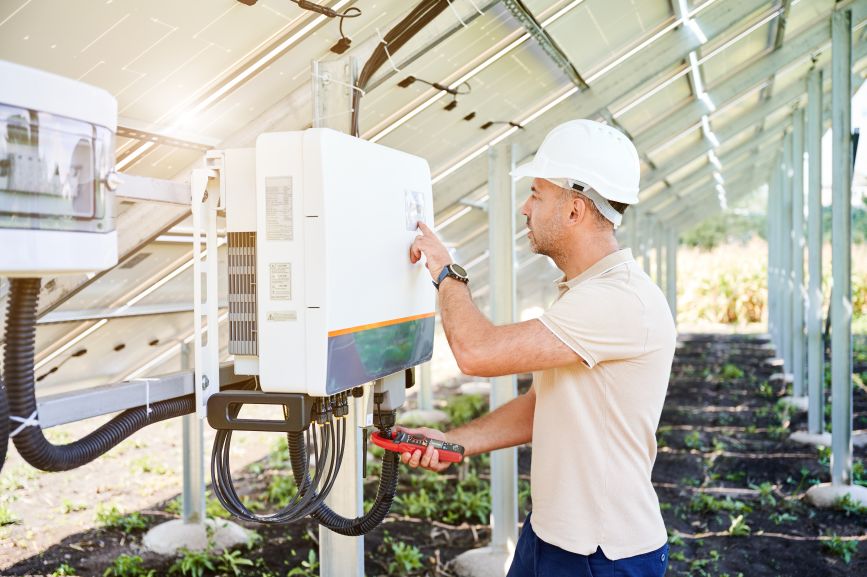
What Is a Solar Inverter and Why Do You Need One?
A solar inverter is the device that takes the electricity your solar panels produce – direct current (DC) – and converts it into alternating current (AC), the type of power your home and the Texas grid use. Without an inverter, your solar panels can’t power anything in your house, no matter how much sunlight they get.
Simple Explanation
Think of your solar panels as mini power plants that generate raw electricity.
But your home’s appliances, HVAC system, lights, and outlets only run on AC power.
The inverter’s job is to translate that raw DC electricity into clean, usable AC energy so your home can actually use it.
Role in Converting DC → AC
A modern residential inverter doesn’t just convert power. It also:
- Optimizes electricity flow from your panels
- Monitors production and efficiency
- Sends excess power to the grid when allowed
- Protects your home from electrical faults
- Communicates with batteries, EV chargers, and smart home systems
In short, it’s the control center of your entire solar setup.
Why It’s Considered the “Heart” of the Solar System
Just as your heart regulates the flow of energy through your body, the inverter manages and distributes all solar energy through your home. If the inverter isn’t working, your panels stop producing usable electricity – even if they’re in perfect condition.
It also determines:
- How efficiently your system performs
- How well it handles shade
- How compatible it is with batteries or future upgrades
- How long your system stays reliable over time
Why Inverter Selection Impacts System Performance More Than Panels
Most modern solar panels are similar in output and efficiency, but inverters vary significantly in technology, durability, monitoring features, and heat performance-all of which matter in a city like Dallas where temperatures regularly exceed 100°F.
The right inverter choice can improve:
- Energy production (5–15% more electricity over the system’s life)
- Reliability during extreme heat
- Shade performance if you have trees or a complex roof
- Future-proofing for batteries or EV charging
This is why professional installers often say:
“Panels collect energy – the inverter decides what you can actually use.”
How Solar Inverters Work (Step-by-Step for Homeowners)
A solar inverter may look like a simple box on the wall, but inside, it’s constantly managing the flow of electricity between your panels, your home, and the Texas grid. Here’s exactly what happens, step-by-step, every time the sun hits your solar panels.
1. Power Generation (Your Panels Produce DC Electricity)
When sunlight hits your solar panels, they generate direct current (DC) electricity.
This electricity is raw, unconditioned, and not usable by your home yet.
Dallas note:
Panels in North Texas produce peak DC power between 10 AM–4 PM, especially in summer when sunlight is strongest.
2. DC → AC Conversion (The Inverter Translates the Power)
The DC electricity flows from the panels into the solar inverter.
Here, the inverter performs the most important task in the system:
- It converts DC to AC
- It stabilizes the voltage so your home receives clean, safe electricity
- It synchronizes with the grid frequency (in Texas, typically 60 Hz)
This conversion happens thousands of times per second – silently and automatically.
Dallas note:
ERCOT requires solar inverters to follow strict grid-synchronization rules for safety and power quality.
Read more about ERCOT the texas power grid
3. Home Usage (Your Appliances Use the Solar Power First)
Once the inverter outputs AC electricity, it feeds directly into your home’s electrical panel.
Your home always uses the solar energy first, before pulling anything from Oncor’s grid.
If your solar production exceeds your usage, the extra energy flows outward.
Dallas note:
Homes in DFW often experience high daytime AC usage, so well-sized systems offset a large chunk of summer utility bills.
4. Grid Interaction (Sending Excess Energy Back to the Utility)
Any surplus energy your home isn’t using flows to the utility grid (if your plan allows it).
Depending on your retail electricity provider, this can earn you:
- Bill credits
- Net metering equivalents
- Buyback rates for excess power
The inverter handles all this automatically – it detects grid conditions and adjusts your home’s output accordingly.
Dallas/DFW note:
- Oncor (the local TDU) enforces anti-backfeed safety rules.
- ERCOT requires all inverters to support rapid shutdown, voltage ride-through, and grid-support modes in 2025 and beyond.
5. Monitoring & System Management (Smart Features)
Modern inverters track:
- Real-time energy production
- Panel performance
- Temperature
- Voltage levels
- Grid connection status
Homeowners can view all this from a mobile app.
Dallas note:
Because of extreme heat waves, monitoring inverter temperature performance is critical-some cheap models derate (produce less power) when Texas temperatures hit 105°F+.
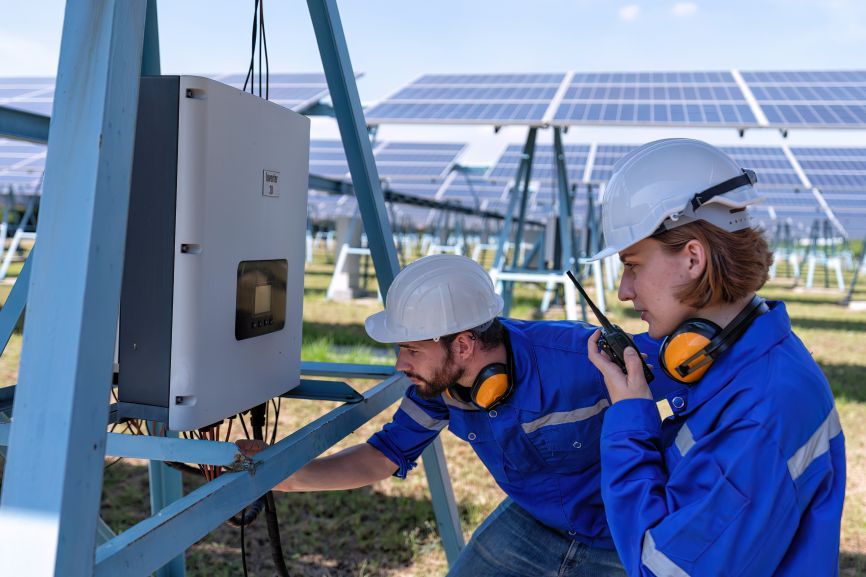
Types of Solar Inverters Explained (Pros & Cons for Dallas Homes)
Not all homes – or roofs – need the same type of inverter. In Dallas, factors like roof angles, tree shading, HOA restrictions, and summer heat all affect which inverter will perform best. Here’s a clear breakdown of the four main inverter types used in 2025 and how each one fits North Texas homes.
String Inverters
String inverters are the most common and traditional type used in residential solar systems. All panels are connected in a “string,” and the inverter converts the combined DC output into AC.
When String Inverters Work Best
String inverters are a strong choice when you have:
- A simple, open roof with 1–2 broad planes
- Minimal or zero shading (no trees blocking sunlight)
- Panels facing the same direction (south, east, or west)
- A goal of maximizing upfront savings
They’re often used in newer Dallas suburbs like Prosper, Frisco, and McKinney, where roofs are large and unobstructed.
Cost Benefits
String inverters are usually the most affordable option, offering:
- Lower upfront cost
- Fewer components to maintain
- Easy serviceability (the inverter is on the wall, not under panels)
A budget-friendly Dallas homeowner can save 15–25% compared to microinverters.
Shade Limitations (Important for Many Dallas Neighborhoods)
Because all panels work together, shading on one panel affects the performance of the entire string.
Common Dallas shading issues include:
- Tall live oak or cedar elm trees
- Chimneys
- Two-story neighboring homes
- Complex rooflines in older Dallas neighborhoods like Lake Highlands, Garland, and Oak Cliff
If shading exists, string inverters may reduce your system’s production.
Microinverters
Microinverters place a tiny inverter on each individual solar panel, converting DC to AC right on the roof.
Ideal for Complex Rooflines
Dallas homes with the following benefit greatly:
- Multiple roof angles
- Dormers, gables, and broken-up roof surfaces
- Panels facing different directions
- Homes built in the last 10–20 years with custom layouts
Neighborhoods like Plano, Richardson, and Allen often see higher microinverter usage because of irregular roof shapes.
Better Shade Handling
If one panel is shaded, only that panel loses production – not the entire system. This makes microinverters perfect for areas with:
- Morning or afternoon shade
- Tree coverage
- Partial seasonal shading
Microinverters can improve total system output by up to 10–15% on partially shaded homes.
Higher Price
The trade-off:
- They cost more upfront
- There are more components on the roof
- Repairs usually require rooftop access
Microinverters are typically $1,000–$2,500 more expensive per system but often worth it in Dallas’s mixed-shade neighborhoods.
Power Optimizers
Power optimizer systems use a string inverter paired with small optimizers attached to each panel. They’re a hybrid between string systems and microinverters.
A Hybrid Approach
Optimizers “condition” each panel’s DC output before it reaches the main string inverter.
This keeps the reliability and lower cost of a string inverter while improving performance at the panel level.
Popular for Performance Upgrades
Dallas homeowners often choose power optimizers when they want:
- Better shade performance without paying for microinverters
- Upgraded monitoring to see panel-by-panel production
- Higher efficiency in real-world conditions
- A reliable ground-level inverter + smart rooftop tech
Brands like SolarEdge dominate this category.
Good for Partial Shading
Optimizers minimize the “one panel drags all panels down” problem.
Perfect for homes with:
- A bit of tree shade
- A chimney or roof vent shadow
- Panels pointing in multiple directions
They deliver strong performance without the price tag of microinverters.
Hybrid/Battery-Ready Inverters
Hybrid inverters can manage solar + batteries together. They convert energy both ways: DC→AC for home usage and AC→DC for charging a battery.
Seamless Backup Power
Hybrid inverters allow:
- Solar to power your home during an outage
- Batteries to run essentials like refrigerators, Wi-Fi, lights, or medical devices
- Automatic switch-over when the grid goes down
In Texas, where storms and grid stress cause periodic outages, this has become a top choice.
Ideal for Texas Outage-Prone Regions
Areas around Dallas that see more frequent power issues include:
- North Dallas during summer load spikes
- Rural outskirts near Kaufman, Rockwall, Melissa, and Waxahachie
- Storm-prone neighborhoods with older grid infrastructure
A hybrid inverter provides year-round energy resilience.
Prepping for Future Battery Upgrades
Even if you don’t install a battery today, a hybrid inverter:
- Makes adding a battery later simple and low-cost
- Ensures compatibility with major battery brands
- Future-proofs your home as electricity rates rise
Most Dallas homeowners planning EV ownership also go hybrid to support future home + EV charging integration.
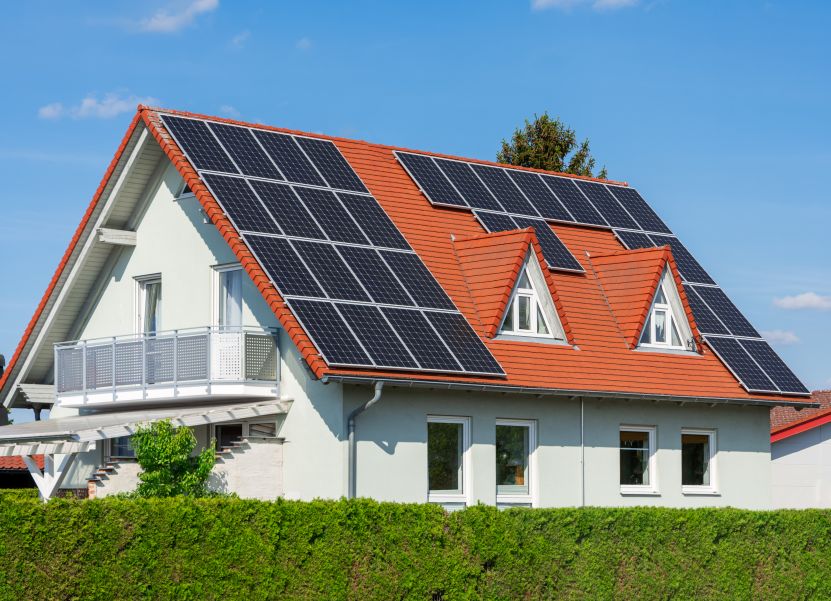
Best Solar Inverters for Homes in 2025 (Editor’s Picks for Dallas)
In 2025, several inverter brands consistently rise to the top for North Texas homeowners based on performance, heat resistance, monitoring quality, warranty strength, and long-term reliability. Below is a curated list of the most trusted residential inverters used in the Dallas market – the same models professional installers rely on for durability in Texas conditions.
Enphase Microinverters
Enphase leads the microinverter market in North America and is a common choice for Dallas homes with complex roofs or partial shading.
Performance
- Panel-level power conversion eliminates shade losses
- Excellent performance on multi-directional roof planes
- Strong heat tolerance; minimal derating in 100°F+ conditions
Warranty
- 20–25 years standard
- One of the longest inverter warranties available
Efficiency
- ~97% CEC efficiency
- Stable output across temperature swings
Read more about CEC efficiency Ratings
Compatibility
- Works with nearly all solar panel brands
- Pairs well with batteries designed for AC-coupled systems
Ideal Dallas Conditions
- Homes with trees or afternoon shade
- Custom rooftops with multiple angles
- Homeowners wanting high monitoring visibility
- Urban neighborhoods like Lake Highlands, Richardson, Plano
Why Dallas homeowners choose them:
Best-in-class shade handling + long warranty + great performance during Texas heat.
SolarEdge HD-Wave + Optimizers
A leading option for homeowners who want better-than-string-system performance without the full cost of microinverters.
Performance
- Optimizers improve production on partially shaded panels
- High total system output, even when some panels are shaded
- Strong in-grid support required by ERCOT
Warranty
- Inverter: 12 years (extendable)
- Optimizers: 25 years
Efficiency
- HD-Wave inverter efficiency ~99% peak
- One of the highest in the industry
Compatibility
- Excellent with most panel sizes and brands
- Works with many hybrid and battery-ready designs
- Popular in systems prepping for future battery additions
Ideal Dallas Conditions
- Homes with minor shading (chimneys, trees)
- Large roof planes but uneven shading
- Homeowners wanting panel-level monitoring
Why Dallas homeowners choose them:
Hybrid approach: great performance gains without microinverter pricing.
SMA Sunny Boy
A long-trusted string inverter option known for durability and simplicity.
Performance
- Extremely reliable in high-heat environments
- Less complex than optimizers or microinverters
- Consistent output on shade-free roofs
Warranty
- Typically 10–12 years standard
- Extensions available
Efficiency
- ~97% efficiency
- Strong performance even during heavy summer heat
Compatibility
- Works best on simple roof layouts
- Limited panel-level monitoring (unless paired with add-ons)
Ideal Dallas Conditions
- Newer suburban homes with wide, open roof space
- South or west-facing unshaded roofs
- Homeowners wanting a low-maintenance system
Why Dallas homeowners choose them:
Best for simple layouts where reliability + affordability matter most.
Panasonic EverVolt Hybrid Inverters
A growing favorite in homes planning for batteries or future energy independence.
Performance
- Designed for solar + battery integration
- Smooth transition to backup power during outages
- Strong output during Texas peak heat
Warranty
- 10 years standard
- Often bundled with matching batteries
Efficiency
- ~97–98% efficiency
- Stable, quiet operation
Compatibility
- Works well with many battery chemistries
- Ideal for homeowners wanting whole-home or partial-home backup
Ideal Dallas Conditions
- Areas with storm-related outages
- Homes planning EV integration
- Homeowners who want a battery now or soon
Why Dallas homeowners choose them:
Excellent for homeowners wanting resilience and long-term future-proofing.
Fronius Primo / Symo
A European-built favorite known for top-tier reliability and cooling technology.
Performance
- One of the best-performing string inverters for hot climates
- Active cooling reduces summer derating in Dallas heat
- Stable grid-support functions required for ERCOT
Warranty
- Typically 10–12 years
- Extended warranties available
Efficiency
- ~97–98% efficiency
- Maintains strong production even on the hottest days
Compatibility
- Works with many panel brands
- Best for single – or dual-plane roof designs
Ideal Dallas Conditions
- Homes with minimal shading
- Rooftops exposed to full sun
- Homeowners concerned about overheating and uptime
Why Dallas homeowners choose them:
Active cooling + outstanding heat performance = a perfect fit for Texas summers.
How to Choose the Right Inverter Size for Your Solar System
Choosing the correct inverter size is one of the most important parts of a solar design. While solar panels generate DC electricity, the inverter determines how much of that power you can actually use. In Dallas – where rooftops get extremely hot in summer – inverter sizing has an even bigger impact on real-world performance and long-term reliability.
Below is a simple, homeowner-friendly guide to sizing your inverter correctly for a 2025 solar installation.
Inverter Sizing Formula (Simplified for Homeowners)
Most Dallas homes follow this rule:
Inverter Size (kW) = 80% – 120% of the Solar System Size (kW)
This window gives installers flexibility based on:
- Roof orientation
- Expected heat derating
- Shading
- Panel efficiency
- Local grid rules (Oncor/ ERCOT)
Example:
A 7 kW solar system usually pairs with a 6 kW to 7.6 kW inverter.
When Undersizing the Inverter Makes Sense
“Undersizing” means choosing an inverter slightly smaller than the solar array (e.g., 7 kW system with a 6 kW inverter).
Dallas installers do this when:
- Roof faces east or west, with lower total production
- Homeowners want better morning/late-afternoon efficiency
- The system rarely hits full power due to seasonal shade
- The goal is maximum ROI over lowest upfront cost
Typical undersizing range: 10–20% smaller than the panel array.
Why it works in Dallas:
Panels rarely hit maximum power output during summer because extreme heat reduces panel efficiency. A slightly smaller inverter can still capture most of the available energy.
When Oversizing the Inverter Is Beneficial (Dallas Heat Advantage)
“Oversizing” means choosing an inverter slightly larger than the solar array (e.g., 6 kW system with a 7 kW inverter).
Installers recommend oversizing when:
- The roof is south-facing with strong production
- The homeowner plans to add more panels later
- The house is preparing for a future EV charger
- The system is paired with a battery or hybrid inverter
- The home has very low shading year-round
Why oversizing helps in Dallas:
Summer heat can cause inverters to derate (produce less power) to protect themselves. A larger inverter helps maintain output during triple – digit temperatures.
Typical oversizing range: up to 20% larger.
Simple Dallas Inverter Sizing Lookup Table (1 kW – 10 kW Systems)
| Solar System Size (kW) | Recommended Inverter Size (kW) | Oversize Option (Heat Advantage) | Undersize Option (ROI/West Roofs) |
| 1 kW | 0.8 – 1.2 | 1.2–1.25 | 0.8 |
| 2 kW | 1.6 – 2.4 | 2.4 | 1.6 |
| 3 kW | 2.4 – 3.6 | 3.6 | 2.4–2.7 |
| 4 kW | 3.2 – 4.8 | 4.8 | 3.2–3.6 |
| 5 kW | 4.0 – 6.0 | 6.0 | 4.0–4.6 |
| 6 kW | 4.8 – 7.2 | 7.2 | 4.8–5.6 |
| 7 kW | 5.6 – 8.4 | 8.4 | 5.6–6.4 |
| 8 kW | 6.4 – 9.6 | 9.6 | 6.4–7.4 |
| 9 kW | 7.2 – 10.8 | 10.8 | 7.2–8.2 |
| 10 kW | 8.0 – 12.0 | 12.0 | 8.0–9.0 |
Notes for Dallas homeowners:
- Oversizing is popular in full-sun neighborhoods like Prosper, Frisco, and Midlothian.
- Undersizing is common on west-facing roofs due to lower overall production.
- Microinverter systems don’t use a single big inverter – each panel has its own – but the same logic applies at the panel level.
Solar Inverter Costs in Dallas (2025 Pricing Guide)
In Dallas, the cost of your solar inverter can vary depending on the design of your system, the brand you choose, and whether your home needs microinverters, a string inverter, or a battery-ready hybrid model. Below is a practical breakdown of what homeowners can expect in 2025 – including equipment ranges, labor considerations, and long-term lifecycle cost.
Typical Price Range in Dallas (Equipment Only)
In 2025, most residential inverters in the Dallas–Fort Worth market fall into these ranges:
- String inverters: typically between the low four figures to mid four figures, depending on capacity and brand
- Microinverters: typically between the mid four figures to high four figures for a full-home system
- Power optimizer systems: typically between the mid four figures to high four figures, depending on how many panels require optimizers
- Hybrid/battery-ready inverters: typically between the mid four figures to low five figures, depending on backup capability and battery pairing
These ranges reflect local Dallas pricing, where heat-resistant models and ERCOT-approved equipment can cost slightly more.
Labor + Installation Costs in Dallas
Labor makes up a meaningful portion of inverter pricing because Texas electrical code and Oncor utility requirements demand licensed installation.
Typical factors affecting labor cost include:
- Complexity of wiring
- Location of the inverter (garage, exterior wall, attic wall, etc.)
- Rapid shutdown requirements
- Adding or modifying critical load panels
- If batteries or EV chargers will be integrated
Dallas-area installers typically bundle inverter labor into the overall system quote, but as a standalone job, replacing or upgrading an inverter usually requires several hours of licensed electrical work.
Replacement Costs (Mid-Life and End-of-Life)
Most solar inverters last:
- 10–15 years for string inverters
- 20–25 years for microinverters
- 10–15 years for many hybrid inverters
Typical replacement cost includes:
- New inverter hardware (priced within the ranges above)
- Labor for removal and reinstallation
- Potential system reprogramming or inspection
Microinverters are replaced individually only when a specific unit fails. String or hybrid inverters are replaced as a single unit.
Dallas note:
High summer temperatures reduce inverter lifespan if the unit is installed in poorly vented areas (e.g., hot garages). Proper placement can save significant long-term costs.
Microinverters vs. String Inverters: Cost Difference
The largest cost gap in the inverter world is between microinverters and string inverters.
Microinverters cost more upfront because:
- You’re installing an inverter on every panel
- They include advanced monitoring
- They improve shade performance
- They offer longer warranties (20–25 years)
String inverters cost less because:
- One unit handles the entire system
- Fewer rooftop electronics
- Simple serviceability
However, in shaded Dallas neighborhoods or complex rooflines, microinverters often produce more total electricity over 25 years, which improves ROI despite the higher initial cost.
25-Year Lifecycle Cost (Dallas Homeowner Perspective)
When evaluating inverter value, homeowners should consider:
1. Upfront Equipment + Installation
Microinverters have the highest upfront cost; string inverters usually the lowest.
2. Replacement Frequency
- Microinverters often last as long as the panels → fewer replacements, lower lifecycle cost.
- String inverters may need 1 replacement during a 25-year system life.
- Hybrid inverters vary but often require one replacement unless paired with premium brands.
3. Efficiency Gains Over Time
More efficient inverters generate more usable power, which:
- Reduces grid usage
- Increases long-term savings
- Helps during Dallas peak-rate hours
4. Heat Performance
Inverters that derate less during the 100°F+ Dallas summer maintain higher output, directly improving long-term value.
Bottom line for Dallas homeowners:
Microinverters generally cost more upfront but offer the best performance + longevity + shade resilience. String and hybrid inverters often win on upfront affordability and simplicity, especially on clean, unshaded roofs.
Inverter Lifespan, Maintenance & Replacement
Solar inverters are the hardest – working component of your solar system-converting power, regulating voltage, communicating with the grid, and managing safety functions every single day. Because of this, their lifespan and maintenance needs matter just as much as your solar panels. Here’s what Dallas homeowners should know in 2025.
How Long Solar Inverters Last in Dallas
The average lifespan of a solar inverter depends on the type and the Texas climate.
General expectations:
- String inverters: usually 10–15 years
- Hybrid/battery-ready inverters: usually 10–15 years
- Microinverters: often 20–25 years, matching the panel lifespan
How Dallas Weather Impacts Inverter Lifespan
Dallas experiences extreme seasonal swings, and these conditions affect electronics more than the solar panels themselves.
1. Summer Heat (100°F+ for long stretches)
- Heat accelerates wear on internal components
- Poor ventilation in garages or exterior walls increases thermal stress
- Some cheaper inverters “derate” (reduce output) to avoid overheating
2. Humidity & Heavy Rains
- Humid conditions and spring thunderstorms can affect inverters with weaker enclosures
- Units mounted in exposed outdoor areas need strong water sealing
3. Thunderstorms, Hail & Lightning
- Power surges from lightning storms can damage inverters
- Dallas homeowners should always have surge protection installed
4. Winter Cold Snaps
- Extreme freezes (like 2021) can impact older inverter models
- Modern 2025 inverters are better insulated and designed for ERCOT events
Overall:
Microinverters tend to last longest because they handle less heat per unit and operate at panel-level, while string inverters bear the entire system load.
Maintenance Homeowners Should Expect
One benefit of modern solar systems is minimal day-to-day maintenance. But your inverter – the “heart” of the system – does require occasional attention.
Basic Homeowner Tasks
- Check the monitoring app monthly for alerts or dips in output
- Visually check the inverter for dust buildup, pests, or blocked vents
- Listen for unusual noises (fans working harder than normal)
Annual or Periodic Professional Maintenance
Professional solar technicians typically check:
- Electrical connections
- Inverter cooling function (critical in Dallas)
- Firmware updates
- Production ratios
- Voltage and grid synchronization
- Rapid shutdown systems
A simple annual inspection helps prevent performance loss and extends inverter life.
Placement Matters (Dallas Tip)
Choosing the right location during installation greatly reduces future maintenance:
- Avoid west-facing exterior walls (brutal afternoon heat)
- Avoid attics, where summer temps can exceed 140°F
- Garages with decent airflow are the most common
- Shaded outdoor areas can also be ideal
A well-placed inverter can last years longer.
Early Signs of Inverter Failure
Inverters rarely fail without sending warning signals first. Most modern models will notify you through the app, but homeowners should be aware of the common symptoms.
Common Warning Signs
- Sudden drop in energy production
- One of the clearest signs something is wrong
- Frequent system shutdowns or restarts
- Error codes or warning lights displayed on the unit
- Overheating, especially in mid-summer
- Buzzing or clicking noises not heard before
- Inconsistent power output shown in monitoring logs
- Grid-sync issues (inverters struggling to match voltage or frequency)
When to Call a Professional
- Any persistent error message
- Total loss of solar production
- Visible damage (burn marks, melted components, corrosion)
- Storm-related issues after a lightning event
Early diagnosis often prevents full inverter failure and can save homeowners money on replacement.
Solar Inverters & Power Outages in Dallas
Power outages in Dallas aren’t just a rare inconvenience – they’ve become a seasonal expectation. Between severe thunderstorms, grid stress during summer heat waves, and ERCOT – wide winter events, North Texas homeowners increasingly want solar systems that keep the lights on when the grid fails. Your inverter plays the central role in whether your solar panels can or cannot power your home during an outage.
Here’s what Dallas homeowners need to know.
Grid-Tied Limitations (Why Standard Solar Shuts Off During an Outage)
Most Dallas solar installations use grid-tied inverters for maximum efficiency and buyback benefits.
However:
A standard grid-tied solar inverter will shut off during a power outage-even on a sunny day.
This is required by Oncor and ERCOT safety rules and happens to prevent “backfeeding” electricity into the grid while technicians are working on power lines.
A typical grid-tied inverter cannot:
- Power your home during an outage
- Provide backup power
- Keep essential loads running
This is one of the biggest misconceptions homeowners have before going solar.
Read more about What is Oncor Electric Delivery & How Do They Work?
Hybrid Inverter Benefits (The Solution for Backup Power)
A hybrid inverter is designed to operate both on-grid and off-grid. When paired with batteries (or even a small battery), the hybrid inverter can:
- Automatically disconnect from the grid during an outage
- Continue producing solar power
- Charge your battery during the outage
- Power essential home circuits through a backup load panel
Hybrid inverters also deliver smoother transitions – often switching to backup mode in less than a second.
Key advantages in Dallas:
- Keeps AC, refrigerators, lights, and Wi-Fi running
- Provides power during summer rolling outages
- Offers protection during winter freeze events
- Supports long-term resilience against ERCOT instability
Homes in areas like Plano, Rockwall, Carrollton, and North Dallas, which frequently experience storm-related outages, often benefit most from hybrid setups.
Battery Compatibility (How Your Inverter Works With Home Batteries)
If you want your solar system to work during an outage, you need:
- A hybrid (battery-ready) inverter, and
- A compatible battery system
The inverter manages:
- When the battery charges
- When it discharges
- How it supports your home during outage events
- Which loads receive power through the critical load panel
Batteries paired with hybrid inverters can support:
- Refrigerators
- Wi-Fi routers & electronics
- Medical devices
- Lighting
- Garage door openers
- Small AC loads (depending on capacity)
Without the right inverter, even the best battery cannot help during a blackout.
Dallas note:
During peak summer usage, many homeowners configure batteries to run peak shaving, lowering usage during Oncor’s highest load periods and reducing strain on the grid.
ERCOT Reliability Concerns (Why Backup-Ready Solar Makes Sense in 2025)
Texas operates on an independent grid, and ERCOT’s system has unique vulnerabilities:
- High demand during extreme heat waves
- Limited reserve capacity during winter cold snaps
- Rising population creating additional load
- Sporadic rolling outages during peak events
- Rapid growth in solar without equal balancing capacity
Because of these factors, Dallas homeowners increasingly view hybrid inverters as energy security tools, not just solar accessories.
Hybrid inverters protect your home when:
- ERCOT orders rolling blackouts
- Storms knock out power lines
- Summer heat pushes the grid past capacity
- Winter freezes disrupt service
Bottom line:
If you want your solar system to operate during a power outage in Dallas, a hybrid inverter is essential.
Troubleshooting Common Inverter Problems (Homeowner Checklist)
Solar inverters are smart, self-monitoring devices – but like any electrical equipment, they can experience issues. Most problems are simple and fixable at home, while others require a professional inspection. This section gives Dallas homeowners a clear, safe, step-by-step troubleshooting guide.
1. Error Codes or Warning Lights
Modern inverters display error messages on the unit or through their mobile app.
Common causes include:
- Grid voltage fluctuations
- Overheating
- Communication errors
- Faulty wiring or connectors
- Rapid shutdown triggers
Homeowner checklist:
✔ Check the inverter screen/app for the exact error code
✔ Restart the inverter using the manufacturer’s recommended steps
✔ Ensure the AC and DC disconnect switches are fully in the ON position
✔ Check for shading or debris blocking panels (microinverter systems)
✔ Verify your home has grid power (in case of outages)
Call an installer if:
- The same code reappears after restarting
- You see “ground fault,” “isolation fault,” or “arc fault” warnings
- The inverter fails to turn back on
These errors relate to safety and require licensed repair.
2. Low Power Output (One of the Most Common Issues)
Low production doesn’t always mean something is broken – it could be weather-related or seasonal.
Homeowner checklist:
✔ Compare today’s output with similar days in the monitoring app
✔ Check for new shading (growing trees, new construction, roof debris)
✔ Confirm no tripped breakers in your electrical panel
✔ Make sure the inverter isn’t overheating (especially in Dallas summers)
✔ For microinverters: look for individual panel alerts
Dallas note:
High temperatures often cause temporary output drops because inverters “derate” to protect themselves.
Call an installer if:
- Production drops suddenly by 30%+
- The inverter shuts down midday
- You hear abnormal fan noise or buzzing
- Only one string or section of panels is producing
3. Rapid Shutdown Issues (Safety-System Triggering)
Rapid shutdown is required by code in Texas and shuts off rooftop DC power in certain situations.
Common causes:
- Faulty rooftop disconnects
- Miscommunication between optimizers/microinverters and the main inverter
- Damaged wiring from storms or rodents
- Inverter firmware mismatch
Homeowner checklist:
✔ Make sure the rapid shutdown switch hasn’t been bumped or turned off
✔ Inspect the outside emergency shutoff (if accessible)
✔ Check the monitoring app for module-level errors
Call an installer if:
- The system won’t exit shutdown mode
- You recently had roofing or electrical work done
- There’s visible wiring damage
Rapid shutdown issues almost always require professional servicing.
4. Wi-Fi or Monitoring App Issues
One of the most common homeowner complaints is losing inverter connectivity-not a power issue, just a communication issue.
Homeowner checklist:
✔ Restart your home Wi-Fi router
✔ Confirm the inverter is within Wi-Fi range
✔ Reconnect the inverter to Wi-Fi via the app
✔ Ensure your network name or password hasn’t changed
✔ Connect through Ethernet or cellular (if supported)
Call an installer if:
- Inverter fails to broadcast a signal
- There’s repeated loss of communication after resets
- Firmware cannot update due to connection problems
In many cases, installers provide remote assistance to fix monitoring issues.
When to Call an Installer (General Rule)
Call a professional if:
- The inverter displays a persistent fault code
- Production drops sharply for more than 24 hours
- There are signs of burning, melting, or water intrusion
- The unit won’t turn on even with grid power
- You recently experienced a lightning strike or power surge
Dallas Tip:
Summer heat accelerates inverter wear. If you notice overheating, loud fan noise, or frequent derating, it’s best to schedule an inspection – especially if your inverter is 6–10 years old.
Monitoring Your Solar Inverter (Apps, Dashboards, Data Explained)
One of the biggest advantages of modern solar inverters is real-time monitoring. Whether your system uses microinverters, optimizers, or a string/hybrid inverter, Dallas homeowners can track production, diagnose issues early, and maximize long-term performance through easy-to-use apps and online dashboards.
Below is a breakdown of the most common monitoring platforms used in 2025-and the data points that matter most.
Enphase Enlighten (Microinverters)
Enphase Enlighten is one of the most user-friendly and detailed solar monitoring platforms. It’s commonly used with microinverter systems across Dallas.
What homeowners can see:
- Panel-by-panel production
- Total system output
- Lifetime energy generation
- Historical trends and peak vs off-peak hours
- Alerts for individual panel issues
- Battery status (for systems with Enphase storage)
Why Dallas homeowners like it:
- Great for roofs with shade or multiple angles
- Makes it easy to detect performance losses on a single panel
- Strong heat-derating insights during summer
Issues to watch for:
- Wi-Fi dropouts
- Individual panel alerts (often caused by shading or loose connections)
SolarEdge Monitoring (Optimizers + HD-Wave Inverters)
SolarEdge offers one of the most detailed monitoring dashboards, especially for systems with power optimizers.
What homeowners can see:
- Module-level performance
- String performance
- Daily, monthly, and yearly breakdowns
- Voltage, current, and real-time inverter status
- Battery charging/discharging (hybrid setups)
- Grid export and import data
Why Dallas homeowners like it:
- Great diagnostic accuracy for partial shading issues
- Useful for homes planning future battery upgrades
- Strong alerts for grid-related events (important with ERCOT variability)
Issues to watch for:
- Optimizer communication errors after storms
- Voltage spikes or dips caused by grid fluctuations
- Occasional rapid shutdown miscommunication
SMA Sunny Portal (String Inverters)
SMA’s Sunny Portal is used for Sunny Boy and other SMA string inverters. It’s known for reliability and simplicity.
What homeowners can see:
- Total inverter output
- System health and uptime
- Grid status and voltage
- Event logs
- Production comparisons over time
Why Dallas homeowners like it:
- Stable performance during high heat
- Easy to use without overwhelming data
- Good long-term reporting for energy tracking
Issues to watch for:
- AC voltage issues caused by neighborhood grid fluctuations
- Inverter uptime alerts during summer heat waves
- Occasional communication issues with Wi-Fi extenders
What Data Matters Most for Dallas Homeowners
You don’t need to be a solar expert to benefit from monitoring. Focus on these key metrics:
1. Daily Energy Production (kWh)
Shows how well your system performs day-to-day.
Track this to spot sudden drops or seasonal shifts.
2. Peak Power Output (kW)
Important during sunny hours.
Drops in peak power may signal inverter derating or shade increases.
3. Panel-Level Production (for microinverters & optimizers)
Ideal for identifying:
- Shaded panels
- Failed panels
- Wiring issues
- Debris or obstruction
4. Inverter Temperature (if supported)
Critical in Dallas heat.
Warm inverters can derate and temporarily lower output.
5. Grid Interaction Data
Shows:
- How much solar you’re exporting
- How much grid power you’re still using
- Whether a time-of-use plan makes sense
6. Battery Activity (if hybrid)
Watch:
- Charge/discharge cycles
- Backup reserve levels
- Battery health over time
What Issues to Watch for in Monitoring Apps
Early detection prevents major system failures. Watch for:
- Sudden production drops (usually a wiring or inverter issue)
- Only one or two panels producing (optimizer/microinverter failure)
- Frequent “inverter offline” messages
- High DC voltage but low AC output
- Inverter restarting repeatedly
- Inconsistent Wi-Fi connection
- Error codes or alerts in the app
Dallas homeowners should pay extra attention during:
- Heat waves (derating can occur)
- After thunderstorms (possible surge damage)
- After roofing or electrical work
Frequently Asked Questions About Solar Inverters
Below are the most common questions Dallas homeowners ask when researching solar inverters, performance, and system design.
Do solar inverters work without batteries?
Yes.
Most systems in Dallas are grid-tied, meaning the inverter converts your solar energy into usable electricity without any battery involved. Your home uses the solar power first, and excess energy flows to the grid if your electric plan allows buyback credits.
However, a standard grid-tied inverter will NOT power your home during a blackout unless paired with batteries and a hybrid inverter.
Can inverters run air conditioners?
They can – but it depends on the system.
A properly sized inverter can handle the load of most air conditioners, but running AC during an outage requires:
- A hybrid inverter
- A battery large enough to handle the startup surge
- A critical load panel configured for essential circuits
During normal, grid-connected operation, your inverter has no problem supporting AC usage.
Is a microinverter system better for Dallas weather?
Often, yes.
Microinverters perform well in Dallas because:
- They tolerate extreme heat better (less derating per unit)
- Shade on one panel doesn’t reduce output of the entire array
- They manage complex rooflines common in Dallas suburbs
- They come with long 20–25 year warranties
Homes with shade, multiple roof angles, or high summer temps typically see higher lifetime output from microinverters.
What’s the difference between a hybrid inverter and a standard one?
A standard inverter only converts DC→AC and shuts off during outages.
A hybrid inverter can:
- Charge and discharge batteries
- Operate off-grid during power outages
- Run essential circuits through a backup panel
- Manage solar + battery + grid power together
If you want backup power in Dallas, a hybrid inverter is the required option.
Do solar inverters need maintenance?
Very little.
Most Dallas homeowners only need to:
- Keep the monitoring app checked monthly
- Ensure the inverter stays cool and unobstructed
- Schedule an annual inspection
String inverters may require replacement once over a 25-year system lifespan; microinverters typically last the duration of the panels.
How long do solar inverters last in Texas?
Typical lifespans:
- String inverters: 10–15 years
- Hybrid inverters: 10–15 years
- Microinverters: 20–25 years
Heat, placement, and ventilation have a major impact on longevity in Dallas.
Can solar inverters handle Dallas summer heat?
Yes – but performance varies by brand and technology.
Some string inverters derate (reduce output) above certain temperatures. Microinverters and high-quality hybrid inverters generally handle Texas heat better because the load is distributed across many small units or designed with active cooling.
Get Expert Help Choosing the Right Solar Inverter for Your Dallas Home
Choosing the right inverter can make a bigger difference in your system’s performance than the panels themselves – especially in a climate like Dallas where heat, shade, roof layout, and ERCOT reliability all play a role.
If you’re planning a new solar installation or upgrading an existing system, the team at First Solar Installers can help you design the best setup for long-term performance, reliability, and future battery compatibility.
Ready to move forward?
- Request a free solar assessment and learn which inverter is right for your home.
- Get a quote from our Dallas-based team with options for microinverters, string inverters, hybrid systems, and battery-ready solutions.
- Speak with a solar specialist about inverter compatibility, heat performance, and battery upgrades tailored to North Texas homes.
A properly sized, Texas-ready inverter ensures your solar system performs at its best-today, tomorrow, and for the next 25+ years.
Get Your Free Solar Estimate Today! or Call us at 844-559-4999