
If you’re a homeowner or business owner considering solar – or already relying on it – you’re probably wondering how long your solar inverter will actually last. The concern is real: inverters are one of the most critical (and expensive) components of a solar system, and replacing one unexpectedly can disrupt energy savings and budgets. That’s where First Solar Installers comes in – helping customers across New Jersey, Massachusetts, California, and Texas understand inverter lifespan, plan ahead, and choose reliable solutions that protect long-term performance.
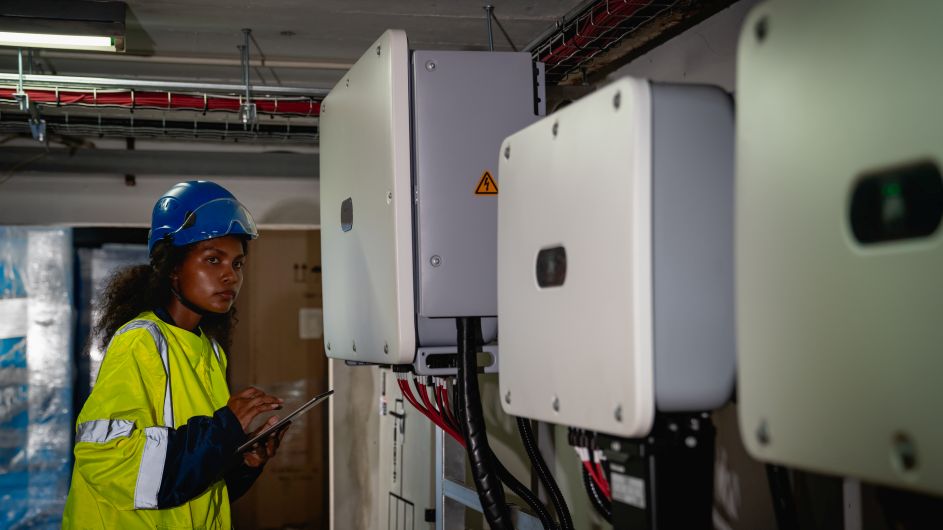
How Long Do Solar Inverters Typically Last?
Here’s the straightforward answer most people are looking for:
- String & central inverters: 10–15 years
- Microinverters & DC power optimizers: 20–25 years
Most solar panels last 25–30 years, which means many systems will require at least one inverter replacement during their lifetime.
That’s not a flaw – it’s just how electronics age, especially those working daily under heat and electrical load.
Learn how DC power optimizers improve solar performance
Why Inverters Don’t Last as Long as Panels
Solar panels quietly sit there producing power. Inverters, on the other hand, work hard every single day – converting DC electricity into usable AC power for your home or business. Heat, electrical stress, and environmental exposure all take a toll over time.
Solar Inverter Lifespan by Type (Quick Comparison)
| Inverter Type | Typical Lifespan | Standard Warranty |
| String Inverter | 10–15 years | 5–12 years (often extendable to 20) |
| Central Inverter | 10–15 years | 5–10 years |
| Microinverter | 20–25 years | 20–25 years |
| DC Optimizer | 20–25 years | Usually matches panel warranty (25 years) |
Microinverters and optimizers tend to last longer because they handle smaller loads and run cooler.
What Is the Average Solar Inverter Warranty?
One of the most common questions we hear is: “Will my inverter be covered when it fails?”
Typical Warranty Ranges
- String inverters: 5–12 years (extensions often available)
- Microinverters: 20–25 years
- Central inverters: 5–10 years
Important: Most warranties cover the replacement unit only-not labor, shipping, or reinstall costs. That’s where homeowners often get caught off guard.
At First Solar Installers, we walk customers through warranty fine print upfront so there are no surprises later.
Learn more about the types of Inverters and which one is the best
How Much Does It Cost to Replace a Solar Inverter?
Replacement costs vary based on system size, inverter type, and labor – but here’s what most U.S. homeowners can expect:
Average Solar Inverter Replacement Costs
- String inverter: $800–$1,800 (5–10 kW system)
- Microinverter system replacement: $2,000–$3,500+ (5–15 kW system)
- Typical total replacement (parts + labor): ~$3,000
Even if the inverter is under warranty, labor alone can cost several hundred dollars.
This is why system design choices made today affect costs 10–15 years from now.
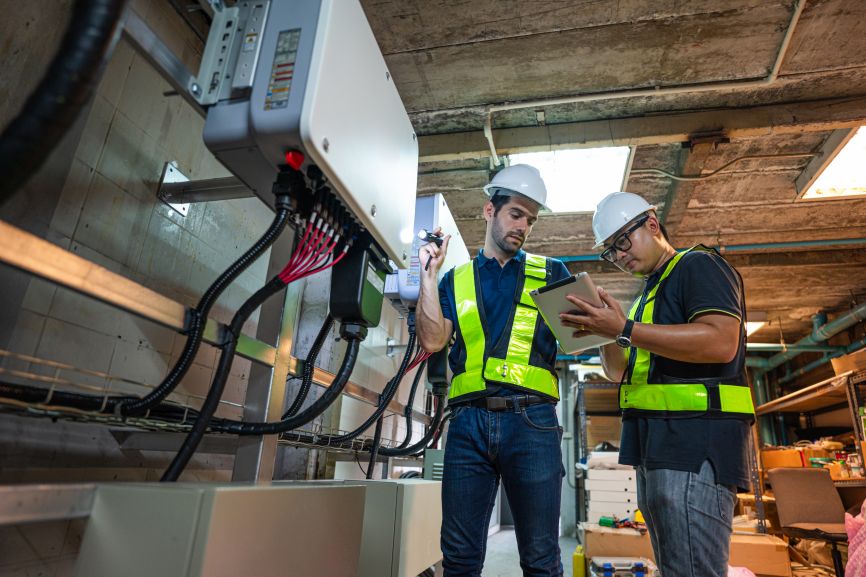
What Factors Affect Solar Inverter Lifespan?
Here’s the thing – two identical inverters can age very differently depending on how they’re installed and maintained.
1. Installation Location Matters More Than You Think
Heat is the #1 inverter killer. Units installed in direct sunlight or poorly ventilated garages fail faster.
Best practice: Cool, shaded, well-ventilated areas.
2. Product Quality
Reputable manufacturers use higher-quality components (like longer-lasting capacitors), which directly impacts longevity.
3. Maintenance & Inspections
You don’t need constant maintenance – but a professional inspection every five years can catch issues early.
4. Local Environmental Conditions
In states like Texas and California, extreme heat accelerates wear. Coastal humidity in parts of New Jersey or Massachusetts can also impact electronics if not properly protected.
Signs Your Solar Inverter May Be Failing
Don’t wait until your system stops working completely. Common warning signs include:
- Frequent error codes or warning lights
- Drops in energy production
- System monitoring showing “offline” status
- Inverter shutting down during hot afternoons
Too many homeowners ignore these signs – only to face a full replacement during peak summer demand.
Can You Extend the Life of a Solar Inverter?
Yes – absolutely.
Here’s how we help customers extend inverter lifespan:
- Smart placement during installation
- Choosing inverter types matched to roof layout
- Monitoring system performance proactively
- Planning replacements before failures happen
If this feels overwhelming, First Solar Installers handles it end-to-end-from system design to long-term performance planning.
Should You Replace or Upgrade Your Inverter?
Sometimes replacement is also an opportunity.
If your inverter is nearing the end of its life, it may make sense to:
- Upgrade to microinverters
- Add battery storage compatibility
- Improve system monitoring and efficiency
We help customers evaluate whether a simple replacement or a strategic upgrade makes more financial sense long-term.
Explore our complete Solar Inverters guide
Final Takeaway: Plan Ahead, Save More
Solar inverters don’t last forever – but with the right system design, warranty strategy, and installation expertise, replacements don’t have to be stressful or expensive.
First Solar Installers helps homeowners and businesses across NJ, MA, CA, and TX make informed decisions today that protect savings tomorrow.
Get Your Free Solar Estimate Today! or Call us at 844-559-4999

